Our Vision
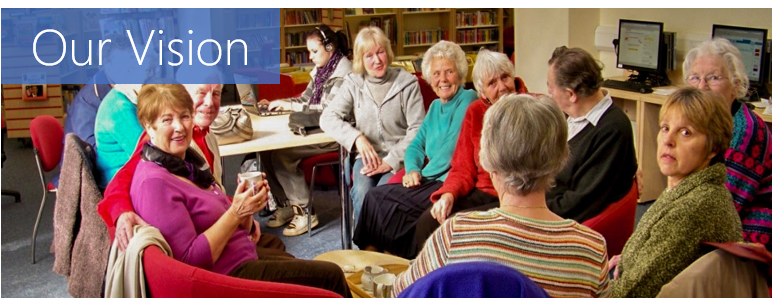
The DTSI group is a not-for-profit organisation whose members have a shared interest in promoting an inclusive digital society. We believe in the transformative effect of technology and want to ensure that access to the benefits of the digital world are available to all.
The underlying desire of the DTSI is to provide an alternative to the top-down approaches currently used for digital inclusion. We have found that by working at a grassroots level it is possible to develop a trusting relationship with those making use of the digital engagement service. Such an approach has also proven to develop willing research participants upon which companies can test their new products.
Crucially, the work of DTSI fights to give the end user a voice in a world where current organisations have been setting the learning agenda.
We feel that current top down definitions of Digital Literacy have used a particularly prescriptive view of digital inclusion which is not appropriate for a large number of learners. Our research has proven this to be particularly relevant among retired people, who make up the largest group of non-internet users (ONS).
With unprecedented funding cuts, the risk to people of falling off the digital bandwagon has never been greater. The social impact of digital exclusion cannot be underestimated and the government’s digital by default agenda, which aims to shift many services to online, only compounds the dangers of failing to keep up.
12 million people are thought to lack basic digital skills while 5.8 million have never used the internet at all
ONS
Origins: advising on the analogue-digital switchover in 2002
In 2002, the then Department of Trade and Industry (DTI) commissioned a Digital Technology and Social Inclusion (DTSI) team to advise on the major planned change associated with the proposed switchover to digital television. Our influential report, Analogue to Digital Switchover: Human Aspects of Adoption, proposed strategies for promoting social inclusion and enhancing public access to information, and formed a basis for the UK Digital Television Action Plan.
The process of writing this report led us to the realisation of the multi-faceted relationship between people and digital technologies and the need for a holistic approach if the widespread uptake of such technologies is to happen. Our work carried on beyond the initial report and we have continued our research into digital technologies and social inclusion for over 14 years.